Effective Techniques for Moisture-Proof Basements
Basements are valuable spaces in any home or investment property. However, they are also prone to moisture problems that can lead to mold, structural damage, and unpleasant odors. Moisture-proofing your basement is essential to protect your investment and maintain a healthy living environment. In this post, I will share practical, effective techniques to keep your basement dry and safe.
Understanding Moisture-Proof Basements: Why It Matters
Moisture in basements can come from several sources: groundwater seepage, rainwater infiltration, humidity, and plumbing leaks. When water enters your basement, it can cause damage to walls, floors, and stored items. Over time, this moisture can lead to mold growth, which poses health risks and can be costly to remove.
To create a moisture-proof basement, you need to address both the sources of water and the ways it can enter your space. This means looking at your home's exterior drainage, foundation integrity, and interior moisture control.
Here are some key reasons to invest in moisture-proofing:
Protect your property value: A dry basement adds to your home's market appeal.
Prevent costly repairs: Fixing water damage is expensive and time-consuming.
Improve indoor air quality: Reducing moisture helps prevent mold and mildew.
Create usable space: A dry basement can be converted into a living area or storage.

Top Techniques to Achieve Moisture-Proof Basements
There are several proven methods to keep your basement dry. Combining these techniques will give you the best results.
1. Exterior Drainage Improvements
Water pooling around your foundation is a common cause of basement moisture. To prevent this:
Grade the landscape so it slopes away from your home. A slope of at least 6 inches over 10 feet is ideal.
Install or repair gutters and downspouts to direct rainwater away from the foundation.
Extend downspouts at least 5 feet from the house to prevent water from saturating the soil near the foundation.
2. Exterior Waterproofing Membranes
Applying a waterproof membrane to the outside of your foundation walls blocks water from entering. This usually involves excavation around the foundation to expose the walls, cleaning them, and applying a thick waterproof coating or sheet membrane.
3. Interior Sealants and Coatings
If exterior work is not feasible, interior sealants can help. These are applied to basement walls and floors to create a moisture barrier. While not as effective as exterior membranes, they can reduce minor seepage and dampness.
4. Installing a Drainage System
A perimeter drainage system, often called a French drain, collects water that seeps into the soil around your foundation and directs it to a sump pump. The sump pump then removes the water from your basement.
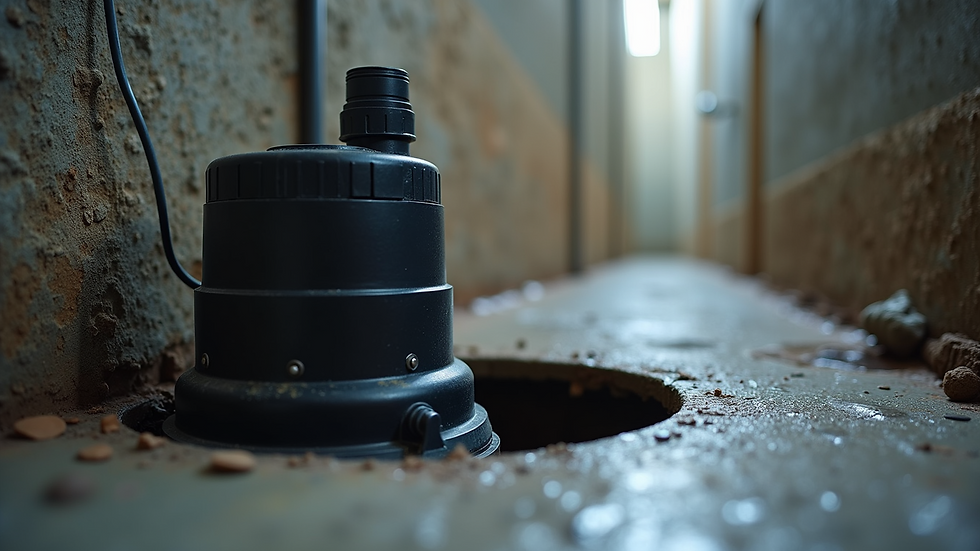
5. Sump Pump Installation
A sump pump is essential in areas with high water tables or frequent heavy rains. It pumps out water collected by the drainage system, preventing flooding.
6. Dehumidifiers and Ventilation
Controlling humidity inside the basement is crucial. Use a dehumidifier to keep moisture levels low, especially in humid seasons. Proper ventilation also helps air circulate and reduces condensation.
Can I Waterproof My Basement Myself?
Many homeowners consider DIY basement waterproofing to save money. While some steps are manageable, others require professional expertise.
DIY Tasks You Can Handle
Cleaning gutters and downspouts to ensure proper water flow.
Grading the soil around your home to improve drainage.
Applying interior sealants to minor cracks and walls.
Using dehumidifiers and improving ventilation.
When to Call a Professional
Exterior waterproofing membrane installation requires excavation and specialized materials.
Installing drainage systems and sump pumps involves plumbing and electrical work.
Fixing structural cracks or foundation issues needs expert assessment and repair.
Attempting complex waterproofing without experience can lead to incomplete solutions and further damage. For reliable results, consider partnering with a trusted construction company that specializes in basement waterproofing.
How to Choose the Right Waterproofing Solution for Your Basement
Selecting the best approach depends on your basement’s condition, budget, and long-term goals. Here are some tips to guide your decision:
Assess the source of moisture: Identify if water is coming from outside or inside.
Evaluate the severity: Minor dampness may only need interior sealants, while flooding requires drainage and sump pumps.
Consider your budget: Exterior waterproofing is more expensive but more effective.
Think about future use: If you plan to finish your basement, invest in comprehensive waterproofing.
Consult professionals: Get an inspection and quotes from reputable contractors.
Remember, moisture-proofing is an investment that protects your home and enhances its value.
Why Professional Basement Waterproofing Matters
When you want lasting protection, professional basement waterproofing services are the way to go. Experts have the tools, knowledge, and experience to diagnose problems accurately and apply the right solutions.
A professional team will:
Perform a thorough inspection to find all moisture entry points.
Recommend a tailored waterproofing plan.
Use high-quality materials and proven techniques.
Ensure proper installation to prevent future issues.
Provide warranties and ongoing support.
Choosing a reliable contractor means peace of mind and a dry, safe basement for years to come.
Moisture-proofing your basement is essential to protect your property and create a comfortable space. By understanding the causes of moisture and applying the right techniques, you can keep your basement dry and damage-free. Whether you tackle simple tasks yourself or hire professionals for comprehensive solutions, taking action now will save you time and money later. For expert help, consider trusted local services that specialize in basement waterproofing and construction.



Comments